

Delicate, refined, and rich in meaning, embroidered veils possess a magic that transcends generations. Whether meticulously handcrafted or woven by machine with precision, these veils transform an already symbolic accessory into a piece of living artistry. Their presence evokes an almost cinematic quality—where every stitch holds a secret, and every thread carries intention. Brides who select embroidery often do so to celebrate a personal story, heritage, or design vision that sets their veil apart from the traditional sheer silhouettes.
 While veils in general have long histories tied to culture and ritual, embroidered veils add a new layer of storytelling. They become canvases for symbols—floral patterns to honor growth and life, vines to represent unity, or celestial motifs for dreams and destiny. Some designs incorporate initials, dates, or meaningful phrases, subtly woven into the lace or tulle. Each embroidery choice carries an emotional undertone, helping the bride feel not only adorned but *seen*, in the deeper sense of the word.
It’s no wonder that bespoke veil houses like the french wedding veil have gained recognition for their commitment to heirloom-quality craftsmanship. Inspired by vintage aesthetics and the French tradition of haute couture, these artisans create pieces meant to be passed down across generations. The precision of needlework, the balance of opacity and airiness, and the graceful fall of the fabric all contribute to the allure. The artistry lies not just in the design but in the way it complements the gown, the theme, and the emotional tone of the wedding.
Traditionally, embroidery was a mark of wealth and status, reserved for royalty or the elite. In today’s bridal world, it’s become an accessible luxury—one that brides often choose to elevate their look or to reflect their cultural roots. Many Latin American and Mediterranean cultures, for example, use richly embroidered mantilla-style veils that frame the face beautifully. In Indian weddings, embroidery often blends with sequins, beads, or even gold thread, creating an ornate yet sacred feel. What connects these styles globally is a reverence for detail—and the belief that what is worn on this day should speak beyond the surface.
From cathedral-length veils with sprawling botanical embroidery to fingertip veils featuring dainty stars or hearts, there’s a world of motifs available to modern brides. Some opt for monochrome stitching that melts into the fabric for a subtle shimmer, while others embrace vibrant contrasts for a bolder impact. Embroidered veils have the rare ability to walk the line between antique and modern, offering the best of both worlds. They nod to heritage without being confined by it, allowing for endless creative interpretations.
Personalization is where embroidery truly shines. Brides today often commission veils that reflect their love stories—a shared passion, a memory, or a place. A simple vine may symbolize a first kiss in a garden, or a compass may mark a long-distance love finally united. These hidden messages offer depth and intimacy, creating a wearable archive of emotion. Some couples even choose to mirror elements from the veil in the wedding invitations, décor, or thank-you notes, creating an overarching narrative for their celebration.
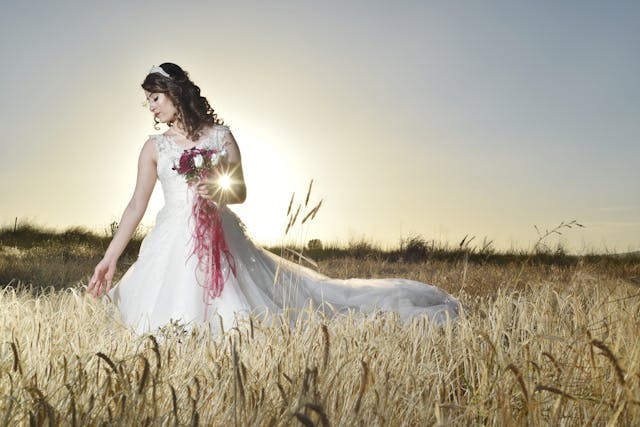
Beyond their aesthetic charm, embroidered veils photograph beautifully. The texture of the threads captures light in a different way than plain tulle, offering depth and movement. On a breezy day, embroidered patterns can appear to float, adding a dreamlike quality to the moment. Photographers often favor these veils for close-ups and silhouette shots, knowing that the intricate details bring an added layer of beauty to each frame. In this way, the veil becomes not just an accessory for the day, but a focal point of the memory captured forever.
Choosing the right hairstyle and gown is key to showcasing an embroidered veil. For heavily detailed veils, simpler gowns—think clean silhouettes, minimal embellishments—help draw attention upward. Sleek buns or low chignons allow for secure placement and keep the embroidery front and center. Some brides opt for half-up styles that let the veil fall naturally without interference. What matters most is harmony—when every element of the bridal look communicates the same message of elegance, purpose, and identity.
For those who embrace the symbolic richness of their wedding day, embroidered veils offer more than beauty. They embody thought, intention, and often, history. Whether it’s the revival of a grandmother’s lace, or a fresh design that carries a secret between two hearts, these veils become treasured objects. They’re not just chosen—they’re curated. And long after the vows are spoken, many brides choose to preserve their veils in special boxes or frames, as reminders of a moment that was uniquely theirs.
In a world where trends shift quickly, the embroidered veil endures. It’s not simply because of its elegance, but because it invites the bride to leave a mark—on her attire, on the ritual, and on memory itself. When fashion, meaning, and heritage intertwine in such a poetic way, the result is something truly timeless.